China achieves its first successful recovery of a rocket at sea
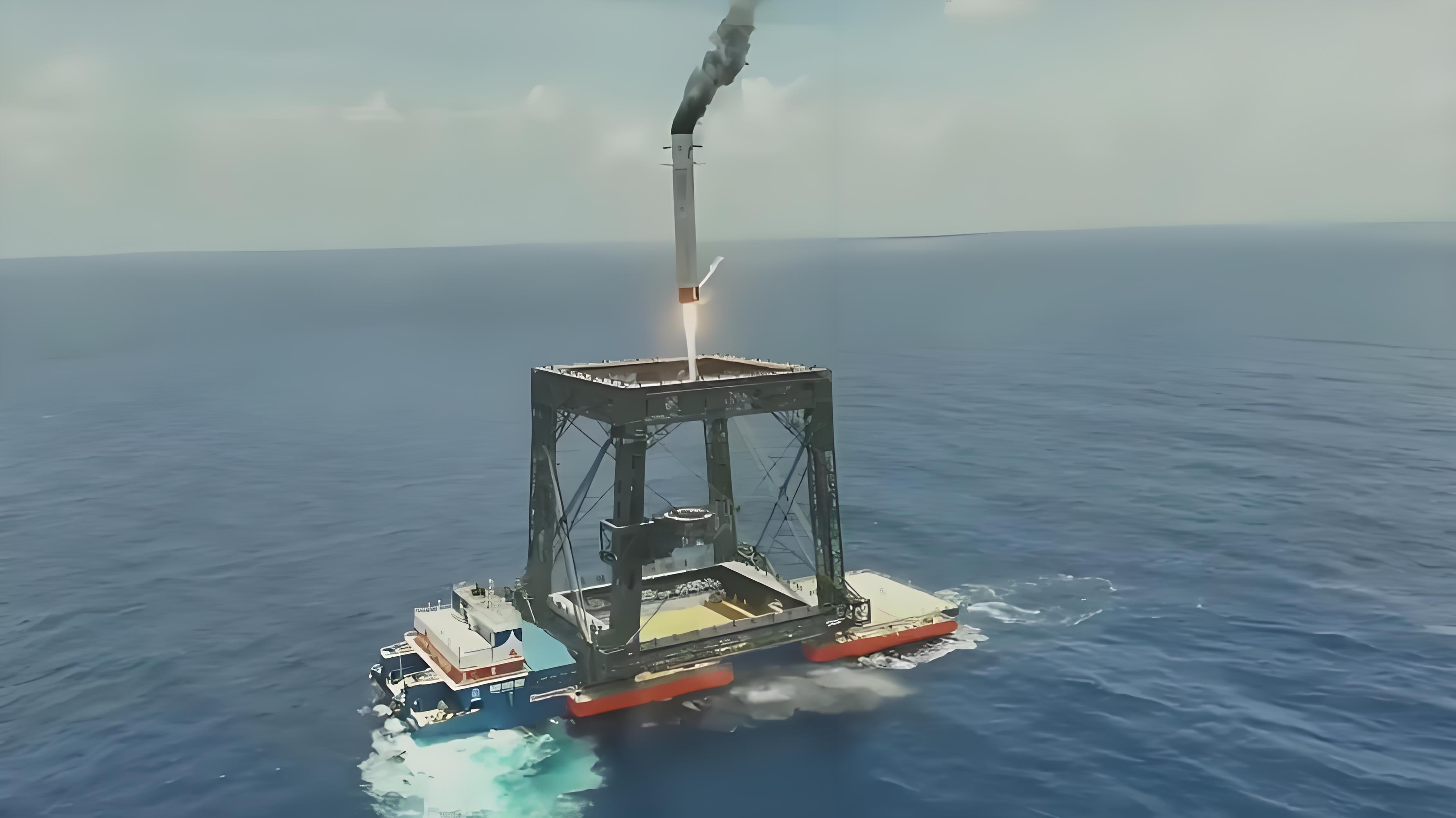
On July 10, 2026, the Changzheng-10B carrier rocket successfully made its maiden flight at the Hainan commercial aerospace launch site, and achieved the world's first controlled recovery of the first stage of a carrier rocket. This was not only a first for China, but also the first time in the world that the "marine tether recovery" technology was successfully used to recover a carrier rocket.
The core information of this mission is as follows:
Mission Overview: Successful recovery of one sub-system
The rocket was launched and sent the satellite into the designated orbit. Then, its first stage (the core stage) completed the entire process of separating from high altitude and returning precisely within about 6 minutes. Finally, the first stage landed vertically on an offshore recovery platform named "Navigator".
?? Core Technology: World's First "Offshore Net System Recovery"
Unlike the common "long leg" landing and recovery method, the Long March 10B adopts an innovative recovery plan:
Recovery method: The rocket does not stand on landing legs but flies towards an "X" shaped interception net on the recovery ship, which is composed of four high-strength ropes. It is "gentle" captured and held by this net.
Main advantages: This "net-based recovery" scheme can simplify the rocket structure, reduce the weight of the rocket body, thereby enhancing the carrying capacity. At the same time, it has relatively loose requirements for landing accuracy, which can increase the capture success rate.
??️ Rocket parameters and subsequent plans
Basic parameters: The Changzheng-10B is a large liquid-fueled launch vehicle with a diameter of 5 meters. Its takeoff weight is approximately 760 tons and its takeoff thrust is about 890 tons. In a reusable state, its capacity for transporting payloads to low Earth orbit is 16 tons.
Propellant: The first stage uses liquid oxygen and kerosene, while the second stage uses liquid oxygen and methane.
Next step: The development team plans to conduct the first reusable flight using this recovered first stage by the end of 2026, in order to further verify the rocket's reusable capability.
This success marks a significant breakthrough in China's reusable launch vehicle technology, laying the foundation for reducing the cost of space exploration and enhancing the ability to enter space in the future.